
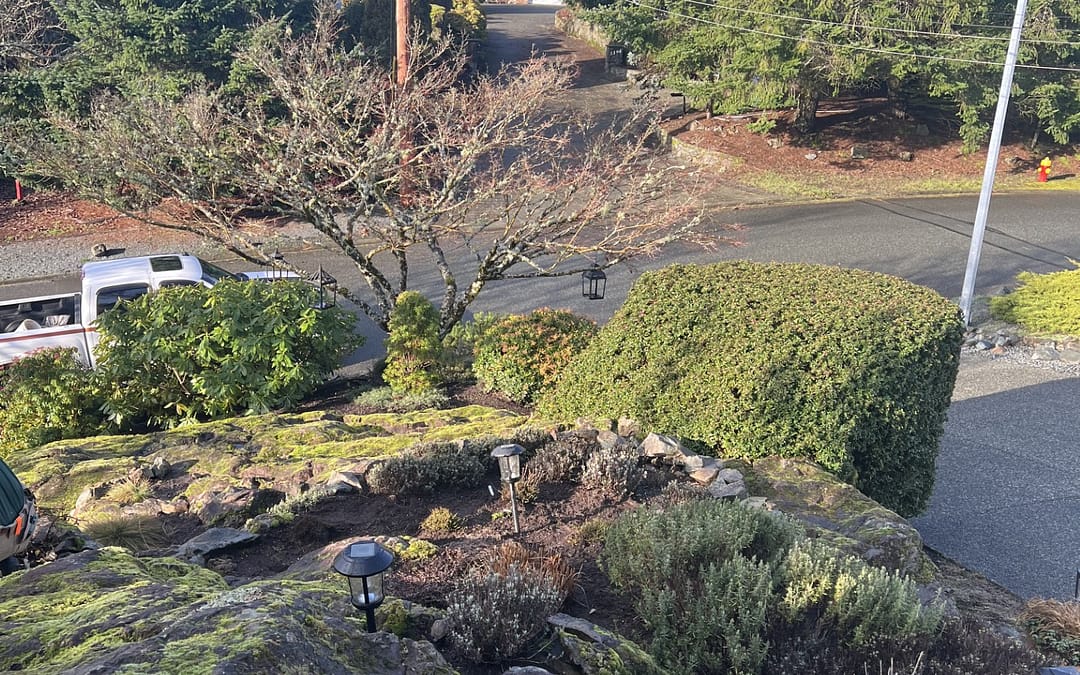
Late-Winter Landscape Care in Zone 7b: What to Do Before Spring Arrives
In Zone 7b, late winter is a quiet but important transition period in the landscape. Plants are still dormant, yet soil temperatures are slowly rising and daylight is increasing. What happens during this window has a direct impact on plant health, growth, and maintenance needs once spring begins.
Rather than waiting for warmer weather, addressing soil health, mulching, and pruning now allows landscapes to enter spring in a stronger, more balanced state.
Preparing Soil Before Active Growth Begins
Soil work is most effective when plants are dormant. Adding topsoil or organic amendments in late winter gives nutrients time to settle and integrate before roots begin actively growing.
Improved soil structure supports:
- Better drainage and moisture retention
- Stronger root development
- More efficient nutrient uptake
When spring growth starts, plants benefit from a stable, well-prepared foundation instead of adjusting to sudden changes.
The Role of Mulch Going Into Spring
Mulch serves multiple purposes beyond appearance. Applied before spring, it helps moderate soil temperatures during fluctuating late-winter conditions and protects soil from erosion caused by seasonal rains.
Early mulching also reduces weed pressure by limiting light exposure before seeds germinate. This leads to healthier planting beds and less competition for water and nutrients as the season progresses.
Why Late Winter Is Ideal for Tree Pruning
Tree pruning is best done while trees are dormant. Without leaves, branch structure is clearly visible, making it easier to identify dead, damaged, or poorly positioned limbs.
Pruning at this time:
- Encourages balanced growth in spring
- Improves airflow and light penetration
- Reduces the likelihood of disease and insect issues
- Helps maintain structural integrity
Trees respond quickly once growth resumes, making late winter one of the most effective pruning periods of the year.
Shrubs to Address Before Spring in Zone 7b
Understanding bloom timing is essential when pruning shrubs. Many plants benefit from late-winter pruning because they flower on new growth.
Shrubs typically pruned before spring include:
- Roses
- Butterfly bush
- Crape myrtle (minimal structural pruning)
- Panicle and smooth hydrangeas
- Boxwood (light shaping)
Shrubs that flower on old wood—such as azaleas, camellias, lilacs, and forsythia—should be pruned after flowering to avoid removing buds.
Pruning Grapes and Vines
Dormant pruning is essential for fruiting vines. Grapes, in particular, require annual pruning to regulate growth and encourage fruit production.
Vines commonly pruned in late winter include:
- Grapevines
- Wisteria
- Kiwi vines
Without proper pruning, vines often produce excessive foliage at the expense of flowers or fruit.
Planning Ahead for a Healthier Growing Season
Late winter landscape care focuses on preparation rather than immediate results. Soil improvement, mulching, and proper pruning reduce stress on plants and create conditions that support steady, healthy growth when temperatures rise.
Addressing these needs before spring allows landscapes in Zone 7b to transition smoothly into the growing season with fewer issues and less corrective work later on.